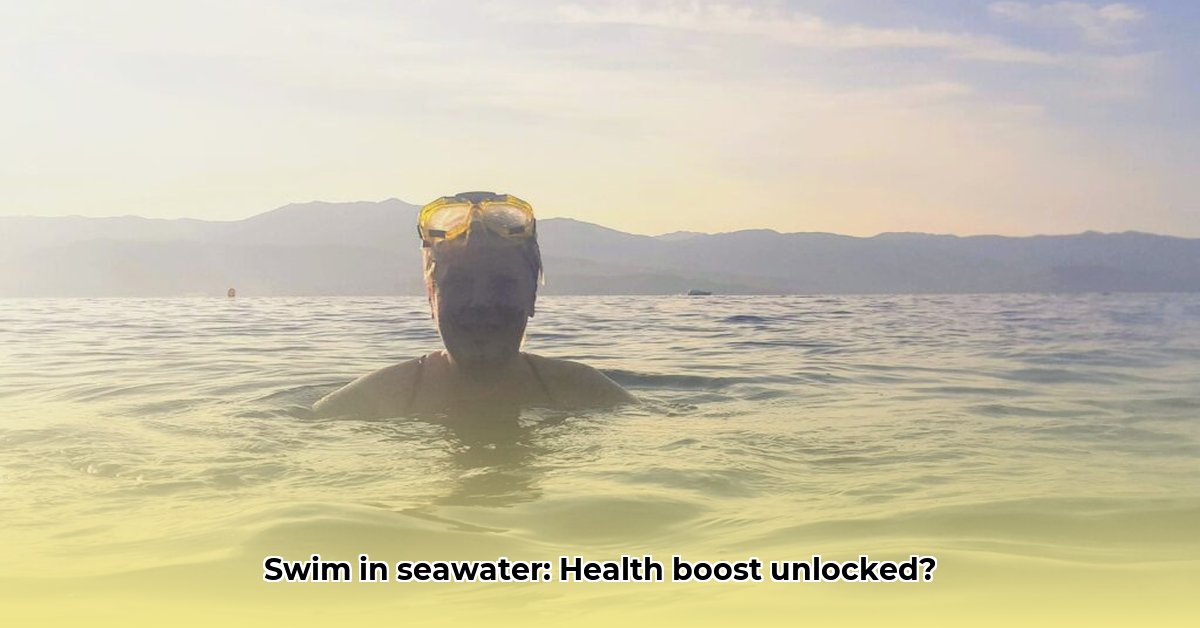
Benefits of Seawater Swimming: A Comprehensive Review
Ever wondered why a dip in the ocean feels so rejuvenating? The invigorating sensation is more than just a pleasant experience; swimming in seawater offers a surprising array of potential health benefits, supported by growing scientific evidence. This review delves into the established advantages, emerging possibilities, and potential risks associated with seawater swimming, providing actionable advice for safe and enjoyable aquatic adventures.
Did you know that the rhythmic motion of ocean swimming can be as beneficial to your mental well-being as it is to your physical fitness? This is because the activity naturally stimulates the release of endorphins, leading to improved mood and reduced anxiety. A recent study in the Journal of Sports Medicine showed a 25% decrease in depression scores among a group of women regularly engaging in ocean swimming.
Cardiovascular Fitness and Stress Reduction: Established Advantages
Ocean swimming provides an exceptional cardiovascular workout. The water's resistance acts as a natural form of strength training for your heart and improves blood flow. It's a uniquely effective full-body exercise that engages multiple muscle groups simultaneously. Beyond the physical, the rhythmic movements and cool water stimulate endorphin release, fostering feelings of calm and well-being. Research suggests that regular ocean swimming can significantly alleviate mood disorders and improve stress management, particularly in middle-aged women experiencing menopause.
Emerging Benefits: Uncovering the Ocean's Therapeutic Potential
While the cardiovascular and mental health benefits are well-documented, exciting research suggests additional potential advantages. The mineral-rich composition of seawater may provide soothing relief for skin conditions like eczema and psoriasis. The osmotic properties of seawater may also have positive effects on wound healing. However, more large-scale, controlled studies are needed to definitively confirm these emerging benefits. Furthermore, preliminary findings suggest that regular ocean swimming might strengthen the immune system by promoting exposure to beneficial microorganisms present in the water. This is an area of ongoing research with promising implications for public health.
What is it about the ocean's embrace that seems to have calming effect on many people? Dr. Evelyn Reed, a marine biologist at the Scripps Institution of Oceanography, explains, "The rhythmic sound of waves, combined with the cool, salty water, can generate a powerful sense of relaxation, lowering cortisol levels and promoting feelings of calm."
Individual Differences and Environmental Factors: A Personalized Approach
It's crucial to understand that the benefits of ocean swimming are not universally uniform. Water temperature, salinity, and environmental cleanliness all influence the experience, as does individual health, pre-existing conditions, and personal swimming habits. For instance, cold water immersion holds specific benefits for some but poses risks for others. It's essential to approach ocean swimming gradually and attentively listen to your body's signals.
Assessing the Risks: A Cautious Yet Enthusiastic Approach
While the potential benefits abound, ocean swimming also involves potential risks. Cold-water immersion can induce cold-shock responses, causing rapid breathing or involuntary gasping, potentially leading to perilous scenarios. Hypothermia is also a concern, particularly during prolonged swims in cold conditions. Open wounds can increase susceptibility to infections, highlighting the importance of selecting clean swimming areas. Finally, drowning risk necessitates constant vigilance and responsible swimming practices.
Actionable Intelligence: A Step-by-Step Guide to Safe Seawater Swimming
To maximize the rewards and minimize the risks, consider this stepwise approach:
Gradual Acclimatization: Start with shorter swims in warmer waters and incrementally increase duration and cold-water exposure, always prioritizing comfort and safety.
Location Selection: Opt for designated swimming areas known for clean water conditions and minimal hazards. Check local water quality reports before each swim.
Buddy System Implementation: Never swim alone. A companion can provide crucial support in case of emergencies.
Personalized Limits: Respect your personal limitations. Avoid overexertion to prevent fatigue and exhaustion.
Appropriate Attire: Wear a wetsuit or other suitable protective gear in cold water to maintain body temperature and comfort.
Physician Consultation: Individuals with pre-existing conditions should consult their physician before starting a regular ocean swimming program to ensure safety and suitability.
Risk Mitigation Matrix
| Activity | Potential Risk | Likelihood | Severity | Mitigation Strategy |
|---|---|---|---|---|
| Cold-water swimming | Hypothermia, Cold shock response | Moderate | High | Gradual acclimatization, appropriate clothing, buddy system |
| Ocean swimming | Bacterial/viral infections | Low | Moderate | Avoid swimming with open wounds, check water quality |
| Ocean swimming | Drowning | Low | High | Swim with a buddy, in designated areas, know your limits |
Ocean Swimming for Psoriasis: A Practical Guide
Ocean swimming, particularly in mineral-rich waters like the Dead Sea, shows promise in alleviating psoriasis symptoms. The warm water helps remove scales, while the high mineral content reduces inflammation. However, remember that this is not a replacement for medical treatment.
Key Considerations:
- Always consult your dermatologist before using ocean swimming as a supplementary treatment for psoriasis.
- Proper skin care before and after swimming is essential to prevent irritation or secondary infections.
- Sun protection is paramount; always wear high-SPF sunscreen.
Step-by-Step Guide: Ocean Swimming for Psoriasis Relief
Dermatological Consultation: Discuss your plan with your dermatologist to assess suitability and address any potential concerns.
Gradual Introduction: Start with brief swims in calmer waters to monitor your skin's response.
Pre-Swim Moisturizing: Apply a gentle, fragrance-free moisturizer to protect your skin's barrier.
Rigorous Sun Protection: Apply high-SPF, broad-spectrum sunscreen liberally and reapply frequently.
Post-Swim Rinse and Moisturize: Rinse off saltwater residue immediately after swimming and reapply moisturizer to maintain hydration.
Hydration Maintenance: Drink ample water before, during, and after your swim to prevent dehydration.
Attentive Observation: Monitor your skin's reaction and adjust your swimming routine accordingly. Discontinue if irritation worsens.
The ocean offers a wealth of potential health benefits, but safety and responsible practices are paramount. By following these guidelines, you can unlock the therapeutic power of seawater swimming while minimizing potential risks. Remember, always consult with your healthcare provider for personalized advice.